

Ozone Therapy for Shingles Pain Relief
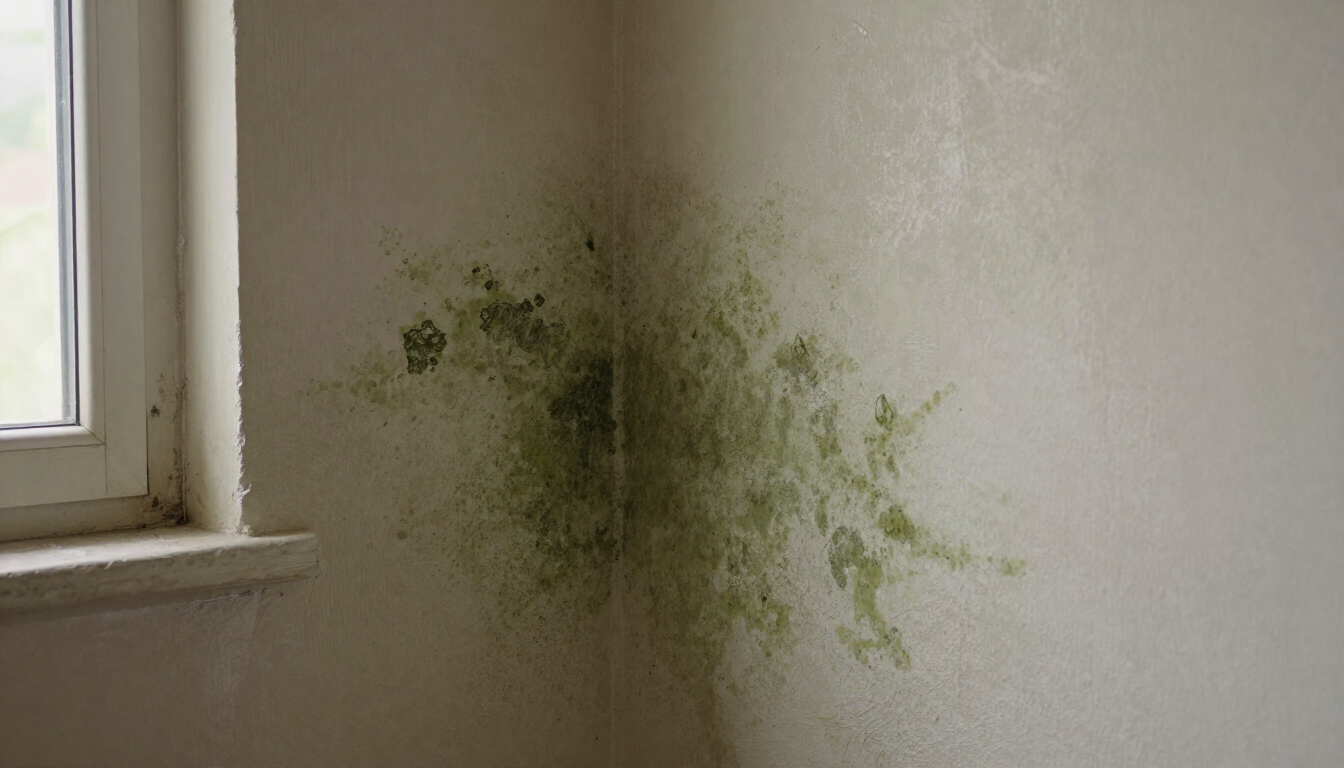
Herpes zoster (shingles) is a painful condition caused by reactivation of the varicella-zoster virus, the same virus responsible for chickenpox. It typically causes a blistering rash on one side of the body, following the path of an affected nerve. Symptoms can include burning pain, tingling, skin sensitivity, and sleep disruption. Some people develop postherpetic neuralgia (PHN) , a complication in which nerve pain persists after the rash has healed.
Standard treatment includes antiviral medications, such as valacyclovir or acyclovir, and appropriate pain management. However, some patients continue to experience significant pain despite treatment. Researchers are investigating additional approaches that may help relieve symptoms and support recovery.
Can Ozone Autohemotherapy Help Shingles Pain?
Major ozone autohemotherapy (O₃-MAHT) involves collecting a small amount of blood, exposing it to a controlled medical oxygen–ozone mixture outside the body, and reinfusing it. This treatment has been investigated for its potential effects on cellular signaling, inflammatory pathways, and pain-related symptoms.
A prospective clinical study of patients with acute herpes zoster evaluated ozone autohemotherapy as an additional treatment. Researchers reported that patients receiving ozone therapy experienced greater reductions in pain scores than the control group at several follow-up points, including one week, one month, three months, and six months. Medication use was similar between the groups. The investigators also identified changes in certain blood metabolites that may help inform future research into the treatment's biological effects.
These findings are encouraging, particularly given the potential for shingles-related pain to persist. However, further controlled studies are needed to establish how consistently ozone therapy improves pain and whether it reduces the risk of postherpetic neuralgia.
Reference: Clinical study of ozone autohemotherapy for herpes zoster
Can Topical Ozone Help Shingles Heal?
Topical ozone preparations, including ozonated oils, have also been investigated as potential additions to conventional shingles treatment.
A clinical study involving 60 patients compared standard treatment—including valacyclovir, local laser therapy, and mupirocin ointment—with a treatment plan that used topical ozone therapy in place of mupirocin. The ozone protocol included daily hydrotherapy and ozonated oil applied twice daily.
What did the researchers report?
- Improvement in skin findings: The investigators reported earlier resolution of certain skin-related findings in the ozone group.
- Pain relief: Pain scores improved more in the ozone group at several assessment points.
- Overall response: The reported overall effectiveness rate was 100% in the ozone group compared with 86.7% in the control group.
- Safety observations: No obvious adverse reactions were reported during the study.
Although these findings suggest that topical ozone may warrant further investigation as an adjunctive treatment, the study was relatively small. Its results do not establish that topical ozone reliably accelerates healing or is safe and effective for all patients with shingles.
Reference: Topical ozone therapy in patients with herpes zoster
An Integrative Approach to Shingles
At Valley Integrative Health, Devin Wilson, ND, takes an individualized approach to patient care, considering both conventional medical treatments and appropriate complementary therapies.
Depending on the patient's symptoms and clinical needs, a comprehensive care plan may include antiviral medication, pain management, and selected nutritional or supportive interventions.
Early medical evaluation is important. Antiviral medications are generally most effective when started promptly after the rash appears. Patients should not delay or discontinue prescribed antiviral treatment in favor of ozone therapy or supplements.
Ozone therapy remains an emerging approach, and the available clinical evidence is preliminary. Potential benefits, risks, and alternatives should be discussed with a qualified healthcare professional before treatment.
Dr. Wilson's Experience with Ozone Therapy
Dr. Devin Wilson, ND, received certification in ozone and prolozone therapy from The American Academy of Ozone Therapy and was trained by Frank Shallenberger, MD, in 2012. Dr. Wilson has incorporated these approaches into his clinical practice since that time, emphasizing individualized care and consideration of potential benefits, limitations, and risks.
Medical disclaimer: This article is for educational purposes only and does not replace individualized medical advice. Evidence for ozone therapy varies by indication and administration method, and many proposed benefits require further clinical investigation. Ozone must never be inhaled, as it can cause serious lung injury. Direct intravenous injection of ozone gas is unsafe and should not be performed. Patients should discuss potential benefits, risks, and alternatives with a qualified healthcare professional.