

Fibromyalgia and Mold Exposure: Is There a Connection?
Fibromyalgia is a chronic condition characterized by widespread pain, fatigue, sleep disturbances, and cognitive difficulties often described as “fibro fog.” While its exact causes remain unclear, researchers are investigating how environmental exposures may influence symptoms and overall health.
One area of interest is exposure to mold and persistent dampness in homes and workplaces.
How Might Mold Exposure Affect Health?
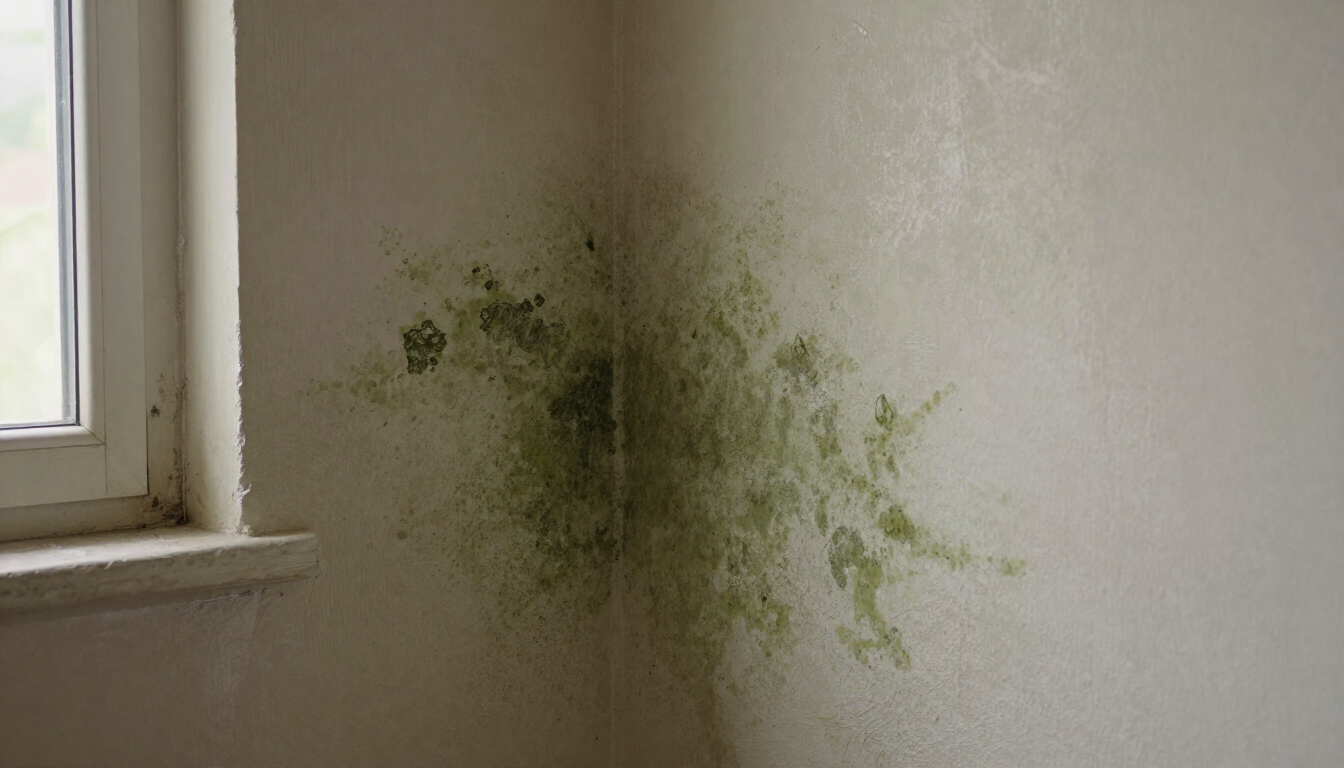
Mold grows in damp environments and can release airborne spores and other biological materials. Exposure is known to cause respiratory irritation, allergic reactions, worsening asthma, and, in susceptible individuals, certain inflammatory lung conditions.
Research has also associated damp indoor environments with symptoms such as fatigue and general discomfort. However, the mechanisms behind these associations are not fully understood, and not everyone exposed to mold develops symptoms.
Is Mold a Cause of Fibromyalgia?
Fibromyalgia and symptoms reported following mold exposure can overlap, particularly fatigue, difficulty concentrating, headaches, and sleep disturbances. This overlap has raised questions about whether environmental exposures may contribute to symptoms in some individuals.
A 2024 review of environmental factors in fibromyalgia highlighted the potential influence of environmental exposures on symptom severity. However, there is currently insufficient evidence to establish indoor mold exposure as a direct cause of fibromyalgia.
It is also important to distinguish documented mold-related health conditions, such as allergies and asthma, from broader claims that mold toxins cause chronic multisystem illness. The latter remain controversial and require further high-quality research.
What Should Patients Consider?
For individuals with fibromyalgia who suspect their symptoms may be associated with their living or working environment, reasonable steps include:
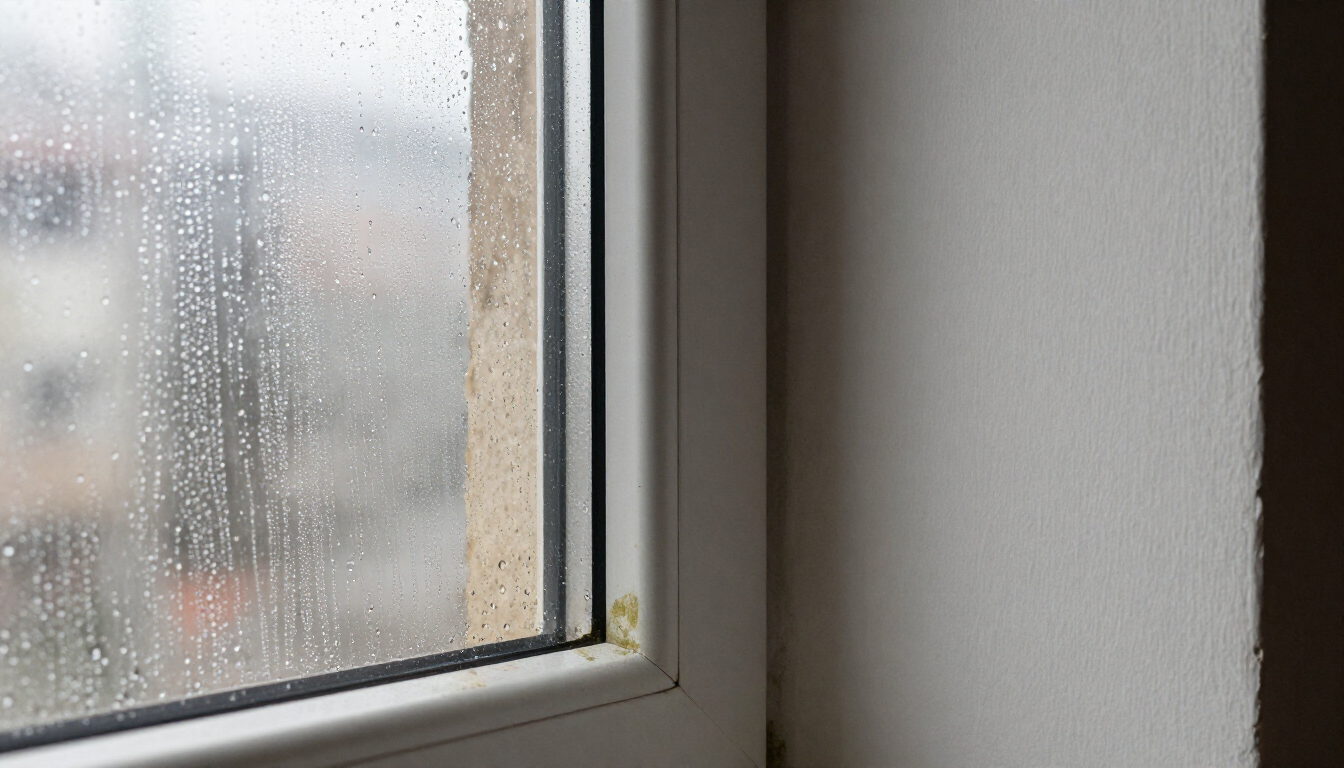
- Assessing the environment: Look for persistent moisture, water damage, musty odors, or visible mold.
- Addressing moisture problems: Correct leaks and remediate mold growth appropriately.
- Evaluating symptoms medically: Consider established causes of fatigue, pain, and cognitive difficulties, including sleep disorders, thyroid dysfunction, anemia, and other conditions.
- Taking an individualized approach: Track symptoms and potential environmental triggers while continuing evidence-based fibromyalgia management.
Routine environmental mold testing and commercial urine mycotoxin tests should be interpreted cautiously. There are no universally accepted health-based standards for indoor mold levels, and urine mycotoxin testing has not been validated to diagnose illness from indoor mold exposure.
The Bottom Line
Mold exposure can cause recognized health problems, and fatigue has been associated with damp indoor environments. However, the relationship between mold exposure and fibromyalgia remains uncertain, and further research is needed to determine whether environmental factors contribute to symptoms in particular patients.
At Valley Integrative Health , we believe a comprehensive approach to fibromyalgia should consider environmental history, sleep, lifestyle, and other potential contributors while remaining grounded in current scientific evidence.
This article is for educational purposes only and is not a substitute for individualized medical advice.
References
- Bazzichi L, et al. Environmental factors and fibromyalgia syndrome: a narrative review. Clinical and Experimental Rheumatology. 2024;42(6):1240–1247.
- Hurraß J, et al. AWMF mold guideline: Medical clinical diagnostics for indoor mold exposure—Update 2023. Allergologie Select. 2024;8:90–198.
- World Health Organization. WHO Guidelines for Indoor Air Quality: Dampness and Mould. 2009.
- Centers for Disease Control and Prevention. Mold: health effects and prevention.
- Dooley M, McMahon SW. Fatigue and exposure to mold and/or dampness: A systematic review of the literature from 2011–2018. Environmental Analysis, Health and Toxicology. 2025;40(3).