




Lead Exposure and Cardiovascular Health: Why Low Levels Matter
Lead is a well-known environmental toxin, but its potential impact on cardiovascular health may be underestimated. Emerging research suggests that even relatively low levels of lead exposure may increase the risk of cardiovascular disease and premature death.
A 2026 analysis published in JAMA estimated that lead exposure contributed to approximately 3.5 million deaths worldwide in 2023. In a study of 14,289 U.S. adults, individuals with higher blood lead levels had a 70% greater risk of cardiovascular death and a 108% greater risk of death from ischemic heart disease compared with those with lower levels. The findings suggest that cardiovascular risk may increase even at concentrations below levels traditionally considered concerning.
How Does Lead Affect the Cardiovascular System?
Lead may contribute to cardiovascular disease through several interconnected mechanisms:
- Oxidative stress: Lead depletes glutathione, an important antioxidant that helps protect cells from oxidative damage.
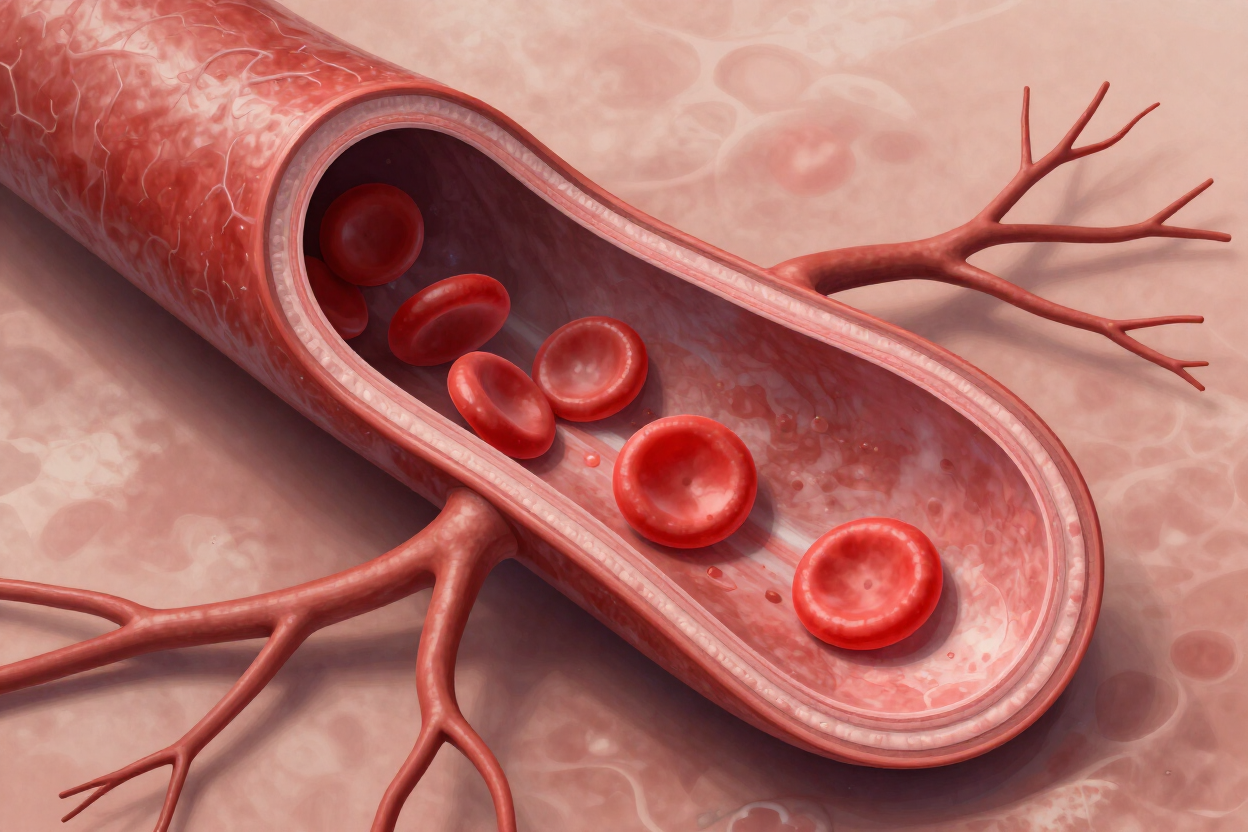
- Endothelial dysfunction: Lead reduces nitric oxide availability, impairing blood vessel relaxation and potentially contributing to elevated blood pressure.
- Vascular inflammation: Lead can activate inflammatory pathways that contribute to blood vessel damage.
- Atherosclerosis: Oxidative stress may promote the formation of oxidized LDL, which plays a role in plaque development within the arteries.
Together, these effects may contribute to hypertension, atherosclerosis, and increased cardiovascular risk.
Common Sources of Lead Exposure
Lead exposure can occur through several everyday environmental and occupational sources, including:
- Drinking water from older plumbing, lead service lines, or contaminated fixtures.
- Lead-based paint and household dust, particularly in older homes undergoing renovation.
- Occupational exposure from construction, demolition, battery handling, and certain manufacturing processes.
- Shooting ranges, ammunition handling, ceramics, stained glass, and other hobbies.
- Certain imported cookware, pottery, cosmetics, spices, traditional remedies, and contaminated supplements.
- Tobacco smoke and some vaping aerosols.
Identifying potential exposure sources is an important first step in reducing risk.
Testing and Clinical Considerations
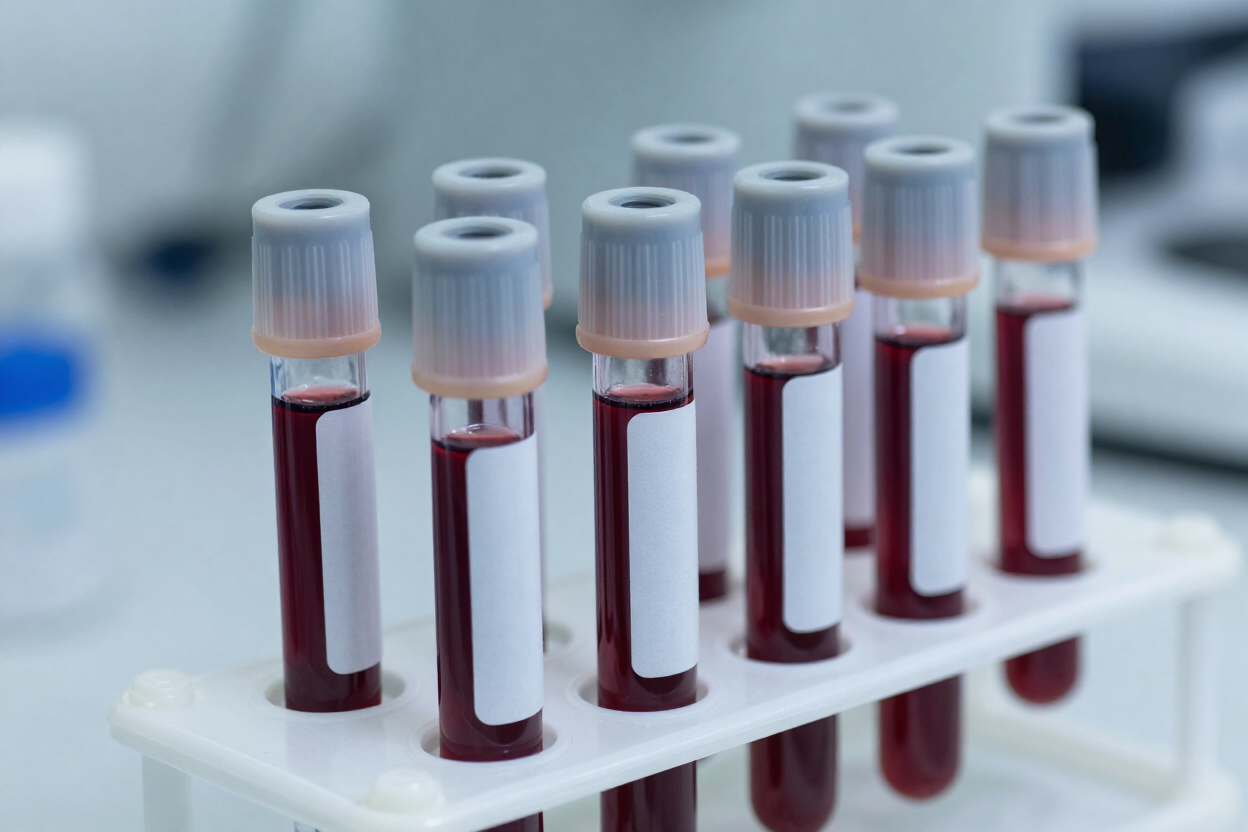
A whole-blood lead level is the standard test for assessing recent lead exposure. However, blood levels primarily reflect recent exposure and may not fully capture cumulative exposure over a lifetime. Lead can accumulate in bones and remain there for decades, potentially returning to circulation during periods of increased bone turnover.
This is particularly relevant during menopause, when changes in bone metabolism may contribute to the release of stored lead.
Importantly, a blood lead result within a laboratory's reference range does not necessarily mean that cardiovascular risk from past or ongoing exposure is absent.
When exposure is suspected, testing should be interpreted alongside a detailed environmental, occupational, and lifestyle history. Additional assessments of cardiovascular risk and oxidative stress may sometimes provide useful clinical context, although these tests are not specific for lead exposure.
Can Nutritional Support Help?
The most important intervention is to identify and eliminate the source of lead exposure . Nutritional support may complement these efforts but cannot replace exposure reduction.
Adequate intake of protein and essential nutrients helps support normal antioxidant defenses. Glutathione production depends on amino acids, particularly cysteine and glycine. In selected cases, clinicians may consider nutritional strategies or supplements such as N-acetylcysteine (NAC) to support glutathione production.
Maintaining adequate iron, calcium, and zinc status is also important, as deficiencies in these nutrients may increase lead absorption.
Evidence for specific supplements as a means of reducing cardiovascular harm from low-level lead exposure remains limited. Supplementation should therefore be individualized rather than viewed as a treatment for lead toxicity.
The Bottom Line
Lead exposure is an often-overlooked environmental factor that may contribute to cardiovascular disease, even at relatively low blood concentrations. Its potential effects on oxidative stress, inflammation, blood vessel function, and atherosclerosis make exposure assessment an important consideration in comprehensive cardiovascular risk evaluation.
Reducing exposure is the priority. A careful exposure history, appropriate laboratory testing, and attention to overall cardiovascular and nutritional health can help guide individualized prevention strategies.
DR. WILSON'S EXPERIENCE WITH HEAVY METALS & CHELATION THERAPY
Devin Wilson, ND, is a licensed naturopathic doctor and owner of Valley Integrative Health Clinic, in Ashland, Oregon. With over a decade of clinical experience, Dr. Wilson integrates naturopathic and modern medicine using a patient-centered, holistic approach. He has advanced training in chelation therapy through the American College for Advancement in Medicine (ACAM) and has been a Certified Chelation Therapy provider since 2016.
References
- GBD 2023 Lead Collaborators, et al. Lead-attributable cardiovascular disease burden: Global Burden of Disease Study 2023. JAMA. 2026;335(16):1418–1427. doi:10.1001/jama.2026.2197.
- Lanphear BP, et al. Low-level lead exposure and mortality in US adults: a population-based cohort study. Lancet Public Health. 2018;3(4)–e184.
- Menke A, et al. Blood lead below 0.48 μmol/L (10 μg/dL) and mortality among US adults. Circulation. 2006;114(13):1388–1394.
- Lamas GA, et al. Contaminant metals as cardiovascular risk factors: a scientific statement from the American Heart Association. Journal of the American Heart Association. 2023;12(13).