



Long COVID: No Standardized Treatment, but Could Ozone Therapy Help?

Valley Integrative Health • October 27, 2026

Share this article

Long COVID: No Standardized Treatment, but Could Ozone Therapy Help?

Medical ozone therapy equipment in a clinic

The COVID-19 pandemic has left millions of people experiencing persistent, sometimes debilitating symptoms known asLong COVID. These symptoms can affect multiple organ systems and may include fatigue, shortness of breath, pain, cognitive difficulties, and reduced exercise tolerance.

The U.S. National Academies defines Long COVID as an infection-associated chronic condition that occurs after SARS-CoV-2 infection and persists for at least three months. Symptoms may be continuous, fluctuate over time, or emerge after an initial period of recovery.

Long COVID has multiple potential biological mechanisms, and no single treatment works for everyone. Current care focuses on evaluating symptoms, managing complications, and developing individualized treatment plans. Researchers are also investigating medications, nutritional interventions, and other therapies.

What Does the Research Say About Ozone Therapy?

Medical ozone therapy has been investigated as a complementary treatment for COVID-19 and, more recently, Long COVID.

A 2023 evidence review examined 13 clinical studies involving 271 patients with acute COVID-19. The authors reported improvements in some clinical symptoms, respiratory measures, and inflammatory markers. However, the studies varied in quality, and these findings do not establish ozone therapy as an effective treatment for Long COVID.

More directly relevant, a2024 pilot randomized controlled trialevaluated major ozone autohemotherapy in 73 people with post-acute sequelae of COVID-19 (PASC). Participants received either ozone therapy alongside conventional care or conventional care alone. The ozone group showed greater improvements in symptom scores, selected lung-function measures, walking capacity, and certain inflammatory and coagulation markers. The authors emphasized that further research is needed to confirm these findings.

These preliminary results are encouraging, but larger, independent trials are needed to determine which patients might benefit, how durable any improvements may be, and how ozone therapy compares with other approaches. Ozone therapy is not an established standard treatment for Long COVID.

Long COVID Care at Valley Integrative Health

Valley Integrative Health in Ashland, Oregon, offers individualized assessment and integrative care for patients experiencing persistent symptoms following COVID-19.

Dr. Devin Wilson, ND, received certification in ozone and prolozone therapy from The American Academy of Ozone Therapy and was trained by Frank Shallenberger, MD, in 2012. Dr. Wilson has incorporated these approaches into his clinical practice since that time, emphasizing individualized care and consideration of potential benefits, limitations, and risks.

Major ozone autohemotherapy involves collecting blood, exposing it to a controlled oxygen–ozone mixture outside the body, and returning it to the patient. It is not the same as directly injecting ozone gas into a vein; direct intravenous injection of ozone gas should not be performed. As with any procedure, potential risks and uncertain benefits should be discussed before treatment.

Medical disclaimer: This article is for educational purposes only and does not replace individualized medical advice. Evidence for ozone therapy varies by indication and administration method, and many proposed benefits require further clinical investigation. Ozone must never be inhaled, as it can cause serious lung injury. Direct intravenous injection of ozone gas is unsafe and should not be performed. Patients should discuss potential benefits, risks, and alternatives with a qualified healthcare professional.

References

  1. A pilot randomized controlled trial of major ozone autohemotherapy for patients with post-acute sequelae of COVID-19. International Immunopharmacology. 2024.
  2. Clinical effectiveness of medical ozone therapy in COVID-19: The evidence and gaps map. Medical Gas Research. 2023.
  3. The role of ozone therapy in SARS-CoV-2 infection and COVID-19. Medical Gas Research. 2023.
  4. Ozone therapy in patients with COVID-19: Clinical research indexed in PubMed.

Recent Posts

By Devin Wilson, ND • October 28, 2026
Emerging research suggests even low levels of lead exposure may increase cardiovascular risk. Learn how lead affects the heart, common sources, testing, and nutritional support.
By Devin Wilson, ND • October 28, 2026
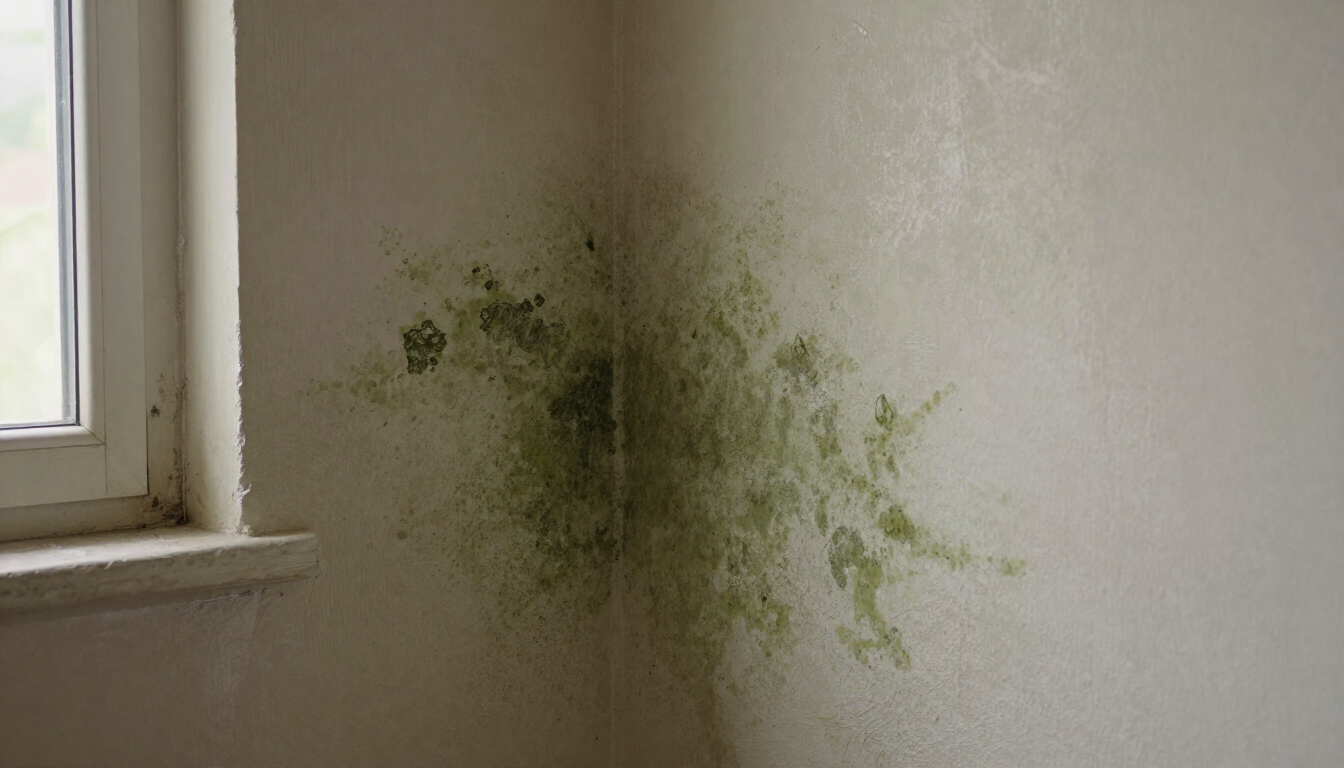
Can mold exposure contribute to persistent fatigue? Explore what clinical studies reveal about indoor dampness, mycotoxins, and ME/CFS.

By Devin Wilson, ND • October 28, 2026
An overview of hormones, aging, hormone therapy terminology, bioidentical hormones, testing, and what to do next.

By Devin Wilson, ND • October 28, 2026
Does hormone therapy cause cancer? A nuanced look at the WHI, estrogen versus progestogen, and how to weigh risks and benefits individually.

By Devin Wilson, ND • October 28, 2026
A look at what decades of research show about menopausal hormone therapy, brain, heart, bone and sexual health, and why formulation and timing matter.

By Devin Wilson, ND • October 28, 2026
Lifestyle changes and targeted supplements that may support hormone health, what the research shows, and where they fall short of hormone replacement.

By Devin Wilson, ND • October 28, 2026
Symptoms of low testosterone, associated health risks, what clinical trials show about replacement, and when treatment may be appropriate.

By Devin Wilson, ND • October 28, 2026
How estrogen and testosterone relate to brain, bone and cardiovascular health, and how to reassess the risks and benefits of hormone therapy.

By Devin Wilson, ND • October 27, 2026
Research suggests that exposure to certain heavy metals may disrupt hormone levels in women and potentially contribute to earlier natural menopause.

By Devin Wilson, ND • October 27, 2026
Learn what chelation therapy is, how it is administered, its safety, its established uses for heavy metal poisoning, and what research says about cardiovascular and other conditions.
Show More