


Mold Toxin Binders: A Practical Guide
Mold toxin binders are substances that attach to certain compounds in bile within the digestive tract, helping carry them out of the body in stool. Prescription medicines and supplements may be used during a carefully supervised mold-toxicity plan, but the right option depends on symptoms, medications, bowel function, and overall health.
What are mold toxin binders?
Mold toxin binders are medicines, minerals, fibers, or other compounds intended to bind selected substances in the gastrointestinal tract. The bound material is then eliminated through bowel movements rather than being reabsorbed through the intestinal wall.
They are generally considered one part of a broader cleanup process. A complete plan may also involve identifying and correcting ongoing exposure, supporting digestion and elimination, evaluating nutrient status, and addressing individual symptoms. Binders do not make an unsafe building safe, and they are not a substitute for medical evaluation.
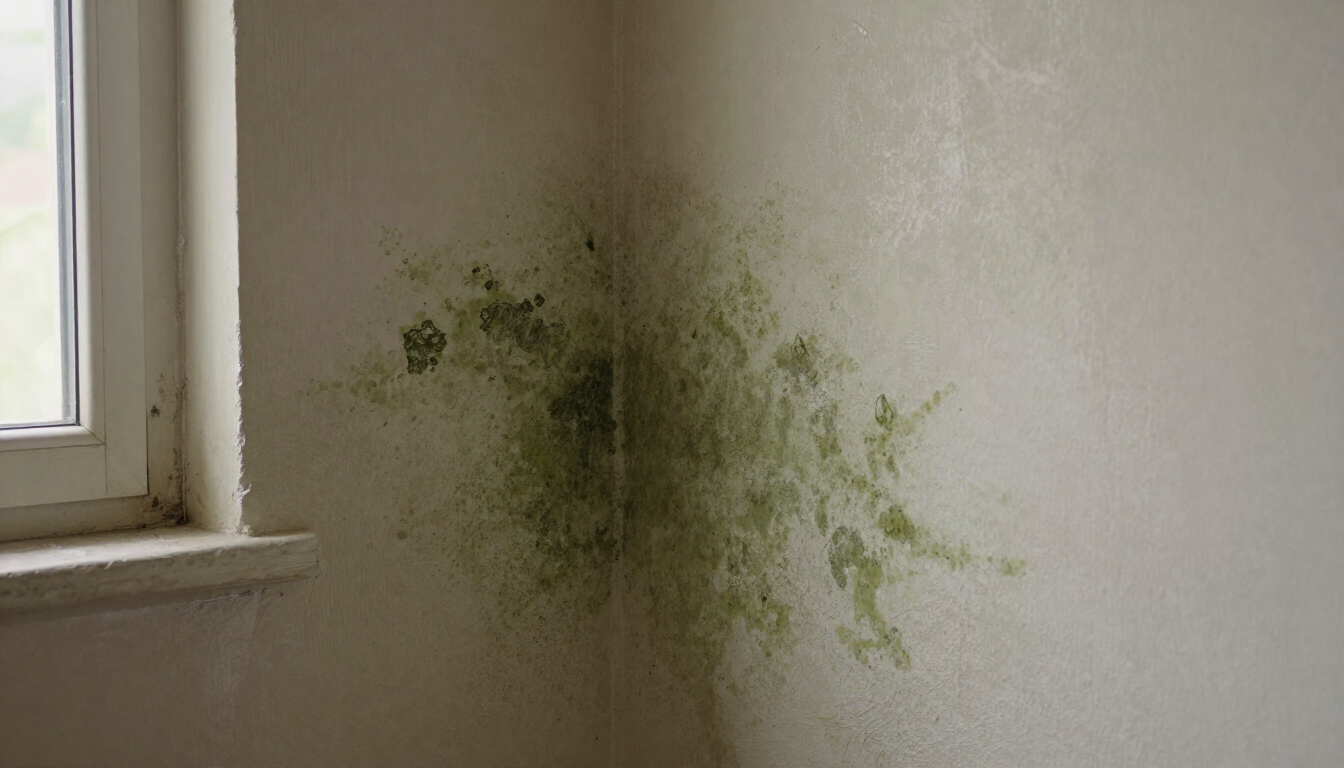
The term “mold toxins” can refer to mycotoxins and other irritating compounds associated with damp or contaminated environments. Evidence, testing methods, and treatment approaches vary. For that reason, binder therapy should be individualized rather than treated as a universal detox protocol.
How do mold toxin binders work?
Many substances taken by mouth travel through the digestive tract without being absorbed in large amounts. If they can physically or chemically attach to compounds in bile, they may reduce the amount available for reabsorption and help move it toward elimination.
This process is sometimes described as interrupting enterohepatic circulation. The liver releases bile into the intestine, and some compounds can be reabsorbed before leaving the body. A binder may help capture some of that material in the gut.
Important limitations include:
- A binder may only bind certain compounds and may not work equally for every exposure.
- It may also bind medications, vitamins, minerals, or beneficial compounds.
- Constipation can make a binder plan uncomfortable or counterproductive.
- Improved symptoms do not prove that a specific toxin was removed.
- A binder cannot replace exposure reduction, diagnosis, or treatment of another condition.
Which mold toxin binders are commonly used?
Available options generally fall into prescription and nonprescription categories. Their strength, selectivity, evidence, tolerability, and interaction risks differ.
Prescription bile-acid sequestrants
Prescription medicines such as cholestyramine are designed to bind bile acids in the intestine. Clinicians may consider them in selected situations involving bile-acid binding, although their use for mold-related illness may be individualized and can be outside standard labeling.
Possible concerns include constipation, bloating, nausea, and interference with the absorption of other medications and nutrients. Timing matters. A prescribing clinician or pharmacist should provide specific instructions about spacing doses and monitoring bowel function.
Activated charcoal
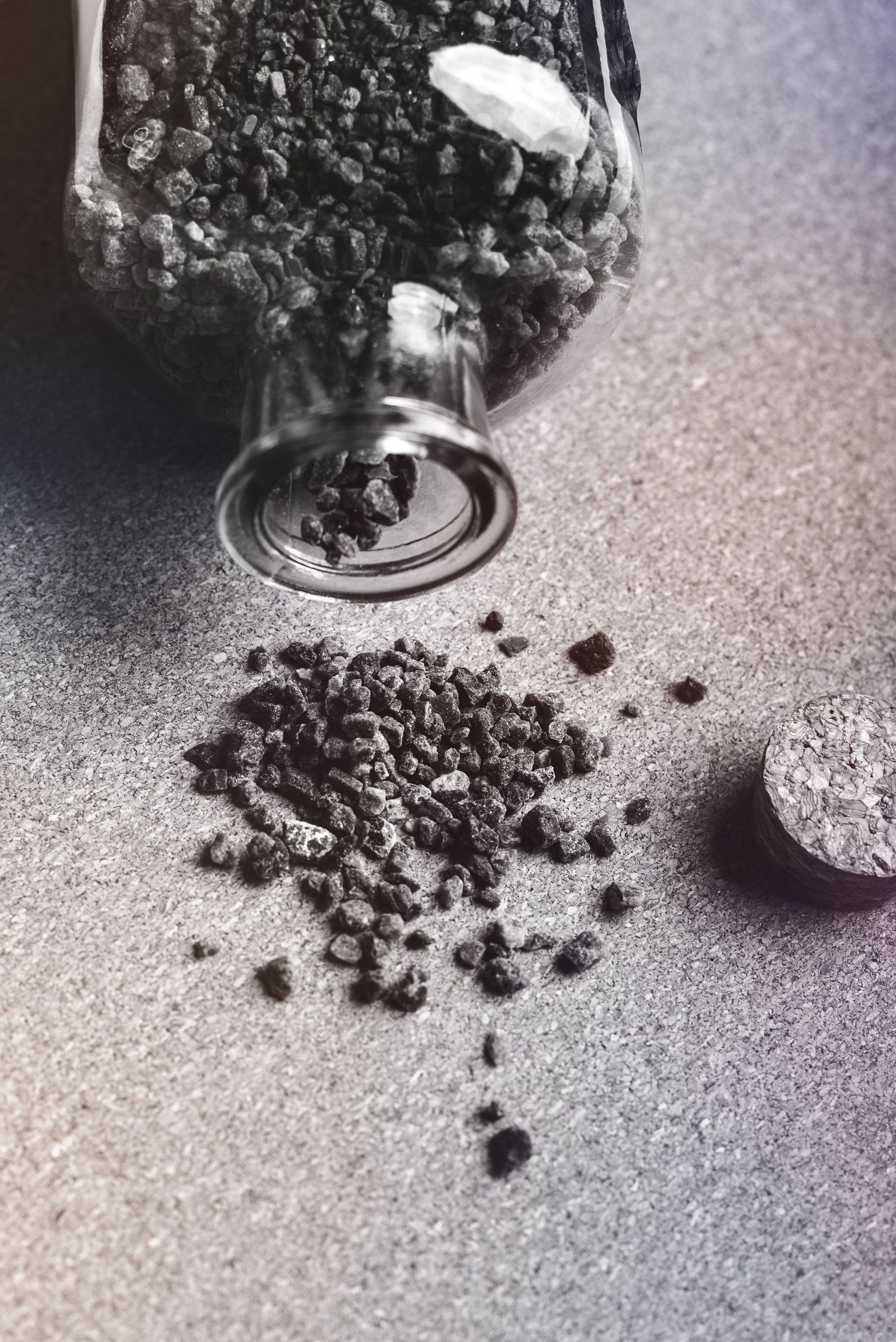
Activated charcoal has a large surface area and can adsorb some substances in the digestive tract. It is widely recognized in emergency medicine for selected poisonings, but routine use for suspected mold exposure is not automatically appropriate.
It may cause dark stools, constipation, nausea, or dehydration. It can also reduce absorption of oral medicines. Anyone taking prescriptions, including thyroid medication, contraceptives, or psychiatric medication, should ask a clinician before using it.
Bentonite and other clays
Bentonite and similar mineral products are marketed as digestive or detox binders. Product composition and quality can vary considerably. Potential issues include constipation, contamination with unwanted metals, and interference with medications or nutrients.
Use only products with reliable testing and clear labeling. “Natural” does not guarantee safety, purity, or effectiveness.
Fiber and modified cellulose products
Certain fibers may support regular elimination and may bind some compounds in the gut. Examples include carefully selected soluble fibers and modified cellulose products. They are often considered gentler options, but they can still cause gas, bloating, or constipation, especially when introduced too quickly.
Fiber is not interchangeable with a prescription binder. Its primary benefit may be supporting stool regularity, which is important because adequate elimination is necessary for any binder strategy.
Chlorella and other supplements
Chlorella and other supplements including certain strains of probiotics and saccharomyces boulardii, are sometimes promoted as natural binders. Research quality and product consistency vary, and individual responses can be unpredictable. Supplements may also contain allergens or interact with medications.
Discuss supplement use with a qualified healthcare professional, particularly if you are pregnant, nursing, managing kidney or liver disease, or taking several medications.
How do you choose the right binder?
The right choice depends on the clinical context, not simply on which product has the strongest marketing claims. At Valley Integrative Health Clinic we consider:
- Exposure status: Is the person still living or working in a damp environment?
- Bowel function: Are stools regular enough to support elimination?
- Symptoms and diagnoses: Could symptoms have another explanation?
- Medications and nutrients: Could the binder reduce absorption?
- Tolerance and goals: Is the plan realistic, affordable, and sustainable?
A thoughtful plan usually starts with a health history, medication review, physical examination when appropriate, and targeted testing rather than a long list of supplements. Our Routine & Advanced Lab Testing page provides more information about how testing may fit into individualized care.
Affordability also matters. Patients should understand the cost, expected duration, alternatives, and follow-up plan before starting. Learn more about practical options through our Cost Savings Program .
What safety precautions matter most?
Binder therapy can be inappropriate or require extra caution in people with bowel obstruction, severe constipation, swallowing difficulties, significant dehydration, or complex medication regimens. Children, older adults, and people with chronic kidney or liver conditions may need additional supervision.
Use these general precautions:
- Take a binder only as directed by a qualified clinician.
- Separate it from medications and supplements according to professional instructions.
- Maintain appropriate hydration unless fluid restriction has been prescribed.
- Monitor stool frequency, abdominal pain, nausea, and worsening symptoms.
- Stop and seek medical advice for severe pain, persistent vomiting, inability to pass stool or gas, bleeding, or signs of an allergic reaction.
Do not use a binder to delay urgent care. New breathing difficulty, chest pain, fainting, confusion, severe weakness, or rapidly worsening symptoms require prompt medical attention.
Why does bowel regularity matter?
A binder strategy depends on elimination. If stool remains in the colon for prolonged periods, a person may experience more bloating, discomfort, and difficulty tolerating treatment. Addressing hydration, food intake, movement, and constipation causes may be more important than increasing a binder dose.
Constipation can result from medications, low fluid intake, inadequate dietary fiber, reduced activity, pelvic-floor problems, or an underlying gastrointestinal condition. A clinician should evaluate persistent constipation rather than assuming that more binder is the solution.
Digestive symptoms may have many causes. Our Digestive Health resources can help patients understand why gastrointestinal symptoms deserve a broader evaluation.
Can mold toxin binders remove every toxin?
No. No binder is proven to capture every mold-related compound, and no product can guarantee complete removal. Binding capacity depends on the substance, dose, digestive conditions, timing, product quality, and individual biology.
This is why confident promises such as “one product removes all mold toxins” should be treated cautiously. A responsible plan focuses on reducing ongoing exposure, improving overall health, and tracking meaningful clinical outcomes rather than relying on a single test or symptom score.
Key takeaways
Mold toxin binders may support elimination of selected compounds in bile through the digestive tract, but they are only one component of mold-toxicity care. Prescription bile-acid sequestrants, activated charcoal, clays, fibers, and supplements differ in evidence, quality, interactions, and tolerability. The safest approach is to address ongoing exposure, confirm that bowel function is adequate, review medication interactions, and use a monitored plan. Choose a clinician who explains the rationale, costs, expected timeline, and stopping criteria clearly. Evaluate progress by symptoms and objective clinical follow-up—not by marketing claims alone.
For an individualized first step, review Getting Started or Contact our office to discuss whether an evaluation is appropriate.