

Mold Diet Recommendations to Choose Safer Foods

Devin Wilson, ND • October 19, 2026

Share this article

Mold diet recommendations are a food-safety and symptom-support strategy, not a proven cure for mold exposure or illness. They generally emphasize fresh, minimally processed foods; safe water; appropriate caffeine choices; and limiting foods more vulnerable to contamination, such as dried, stored, or heavily processed products. Individual guidance should come from a qualified clinician.

Fresh foods commonly included in mold diet recommendations

What are the most practical mold diet recommendations?

A practical approach is to choose fresh foods, store them correctly, and avoid products that are visibly spoiled, stale, or unnecessarily processed. The goal is to reduce avoidable dietary concerns while maintaining adequate calories, protein, fiber, and hydration.

These recommendations may be useful for people discussing possible mold exposure with an integrative or conventional healthcare professional. They should not replace evaluation of the living environment, treatment of respiratory symptoms, or testing when clinically appropriate. Learn more about available care through Advanced & Complex Conditions or Routine & Advanced Lab Testing .

Which foods are generally safe to eat?

The following foods are commonly included in a simple, fresh-food eating pattern when they are tolerated and properly handled:

  • Vegetables: Choose fresh or properly frozen vegetables that are not listed among foods you have been advised to limit.
  • Spices: Most herbs and spices may be used if they are fresh, dry, clean, and stored away from heat and moisture.
  • Onions and garlic: These can add flavor without relying on heavily processed sauces.
  • Oils: Olive, coconut, and avocado oils are options for cooking or dressings.
  • Protein: Eggs, fish, chicken, and beef can support adequate protein intake.

Food tolerance varies. A food that is appropriate for one person may worsen symptoms for another because of allergy, intolerance, reflux, digestive disease, or another condition. Avoid unnecessarily restrictive eating unless a clinician has explained the reason and follow-up plan.

What should you drink on a mold-conscious diet?

Hydration is important, especially when appetite, digestion, or general wellness is affected. Common beverage options include:

  • Filtered water: Make this the foundation of daily hydration.
  • Green tea: Some people use two to six cups daily, but caffeine-sensitive individuals may need less.
  • Coffee: Choose coffee from a reputable source and store it carefully. If you are concerned about mold testing, review the supplier’s documentation rather than relying only on marketing claims.
  • Yerba mate: Use moderation, particularly if caffeine affects sleep, anxiety, heart rate, or blood pressure.

Caffeine is not appropriate for everyone. Pregnant or breastfeeding patients and people with cardiovascular, sleep, anxiety, or medication-related concerns should ask their clinician about a suitable amount.

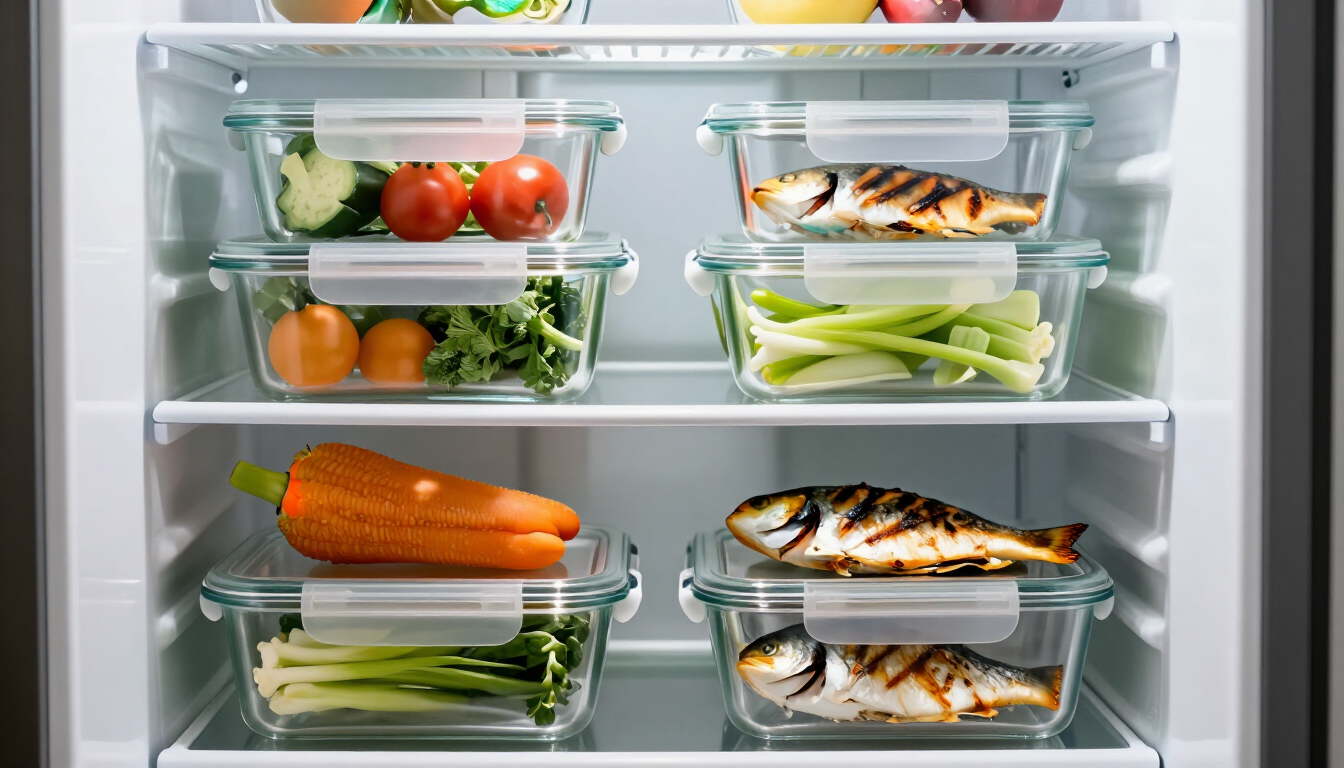
Fresh meal preparation with labeled storage containers

Which foods should you strictly avoid or limit?

Recommendations can differ, but the supplied plan identifies several categories to avoid. These include:

  • Starchy Vegetables – Potatoes, root vegetables
  • Dried fruits
  • Meat – Sausage, dried/processed meat, deli
  • Baked goods
  • Peanuts and peanut butter
  • Cheese - aged/moldy
  • Yeast – bakers, brewers
  • Corn
  • Pickles and pickled foods
  • Mushrooms
  • Vinegar
  • Soy sauce
  • Cantaloupe
  • Rice, Oats, Barely, Rye
  • Sweets of any kind
  • Corn syrup, maltodextrin, sucralose
  • Grapes
  • Bread

Which foods should you eat with caution?

  • All fruits – limit to 1 serving daily
  • Shelled nuts
  • All grains
  • Condiments with vinegar
  • Sour cream
  • Mass produced cocoa
  • Fermented foods


Which beverages to strictly avoid?

  • Soda
  • Black and Oolong tea
  • Fruit juice
  • Alcohol
  • Fermented cider
  • Kombucha

Can a mold diet treat mold illness?

There is no universally accepted diet that treats every condition attributed to mold exposure. Symptoms such as congestion, cough, wheezing, fatigue, headache, nausea, or difficulty concentrating can have many causes. A healthcare professional should evaluate symptoms in context, including the home or workplace environment, medical history, medications, allergies, and examination findings.

Seek prompt medical attention for breathing difficulty, chest pain, fainting, severe allergic symptoms, confusion, or rapidly worsening illness. People with asthma, immune suppression, chronic lung disease, pregnancy, or significant food restrictions may need more individualized guidance.

For broader digestive concerns, you can review Digestive Health . Patients interested in an integrative evaluation can also explore Getting Started or Contact .

A clinician discussing a personalized nutrition plan with a patient

Key takeaways

Mold diet recommendations generally focus on fresh, minimally processed foods, safe hydration, careful storage, and avoiding spoiled or questionable products. Some plans also limit potatoes, root vegetables, dried fruit, sausage, and dried or processed meats, but these restrictions should be personalized rather than followed indefinitely without supervision. Diet is only one part of addressing suspected mold exposure; environmental correction and appropriate medical evaluation remain essential. Next, review your symptoms and food history, improve storage practices, and discuss a nutritionally complete plan with a qualified healthcare professional.

FOODS TO BE CAUTIOUS WITH All fruits – limit to 1 serving daily Shelled nuts All grains Condiments with vinegar Sour cream Mass produced cocoa Fermented foods

Recent Posts

By Devin Wilson, ND • October 28, 2026
Emerging research suggests even low levels of lead exposure may increase cardiovascular risk. Learn how lead affects the heart, common sources, testing, and nutritional support.
By Devin Wilson, ND • October 28, 2026
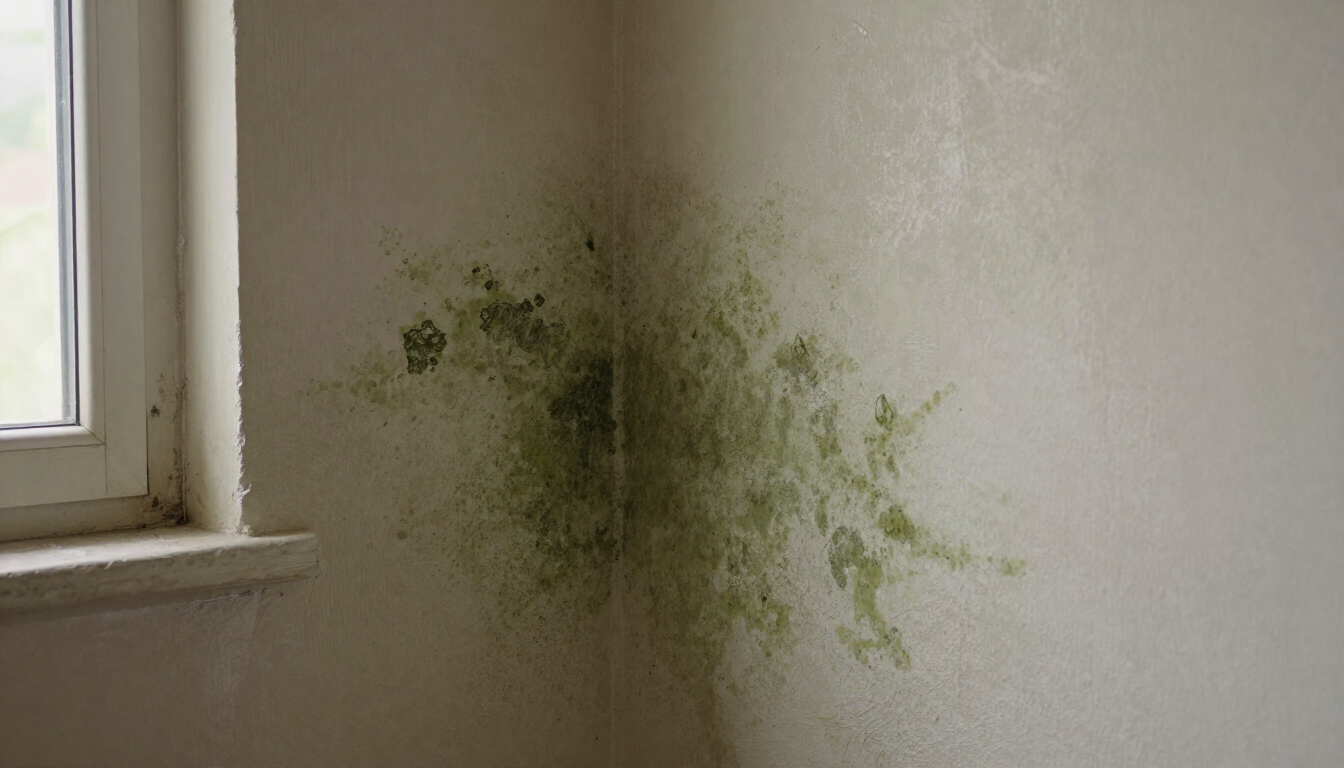
Can mold exposure contribute to persistent fatigue? Explore what clinical studies reveal about indoor dampness, mycotoxins, and ME/CFS.
By Devin Wilson, ND • October 28, 2026
An overview of hormones, aging, hormone therapy terminology, bioidentical hormones, testing, and what to do next.

By Devin Wilson, ND • October 28, 2026
Does hormone therapy cause cancer? A nuanced look at the WHI, estrogen versus progestogen, and how to weigh risks and benefits individually.

By Devin Wilson, ND • October 28, 2026
A look at what decades of research show about menopausal hormone therapy, brain, heart, bone and sexual health, and why formulation and timing matter.
By Devin Wilson, ND • October 28, 2026
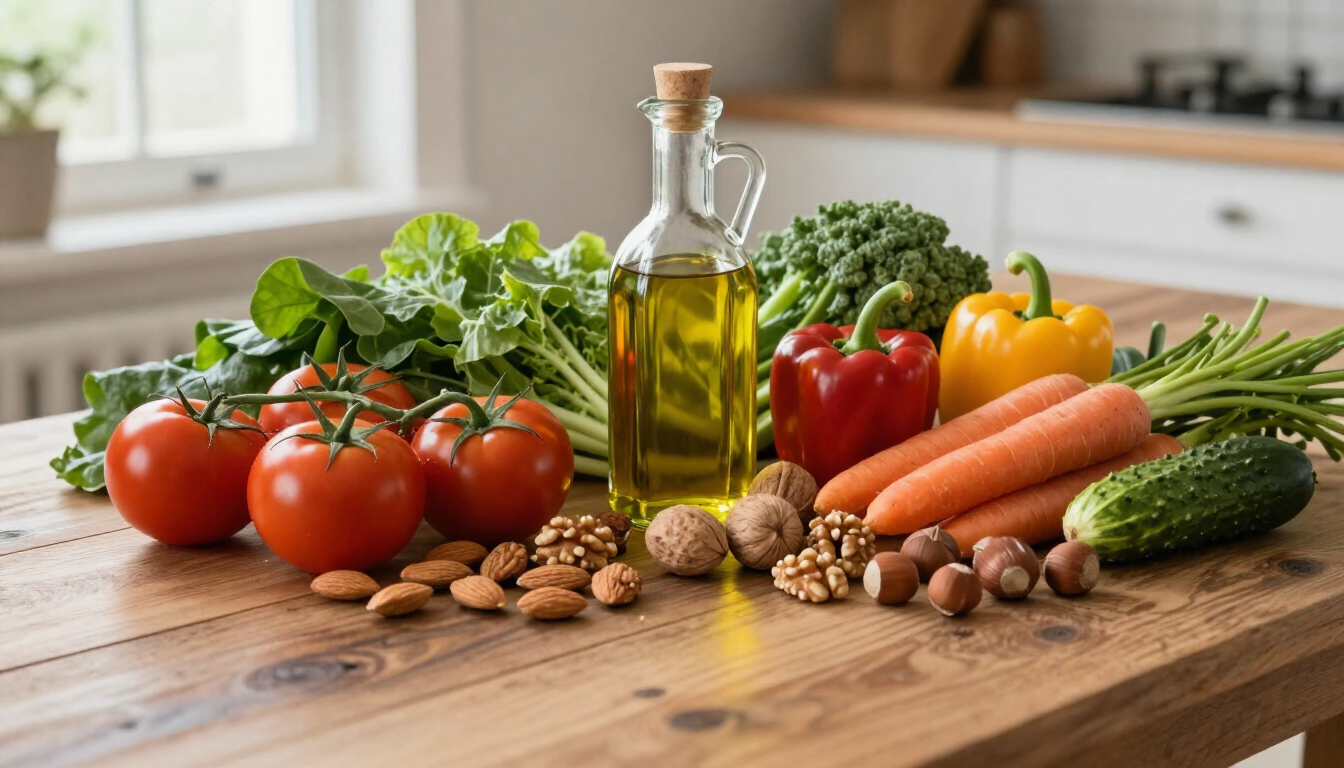
Lifestyle changes and targeted supplements that may support hormone health, what the research shows, and where they fall short of hormone replacement.

By Devin Wilson, ND • October 28, 2026
Symptoms of low testosterone, associated health risks, what clinical trials show about replacement, and when treatment may be appropriate.

By Devin Wilson, ND • October 28, 2026
How estrogen and testosterone relate to brain, bone and cardiovascular health, and how to reassess the risks and benefits of hormone therapy.

By Devin Wilson, ND • October 27, 2026
Research suggests that exposure to certain heavy metals may disrupt hormone levels in women and potentially contribute to earlier natural menopause.

By Devin Wilson, ND • October 27, 2026
Learn what chelation therapy is, how it is administered, its safety, its established uses for heavy metal poisoning, and what research says about cardiovascular and other conditions.
Show More