


Viral Infections Linked to Alzheimer's, Parkinson's, ALS, and Other Neurodegenerative Diseases

Devin Wilson, ND • October 27, 2026

Share this article

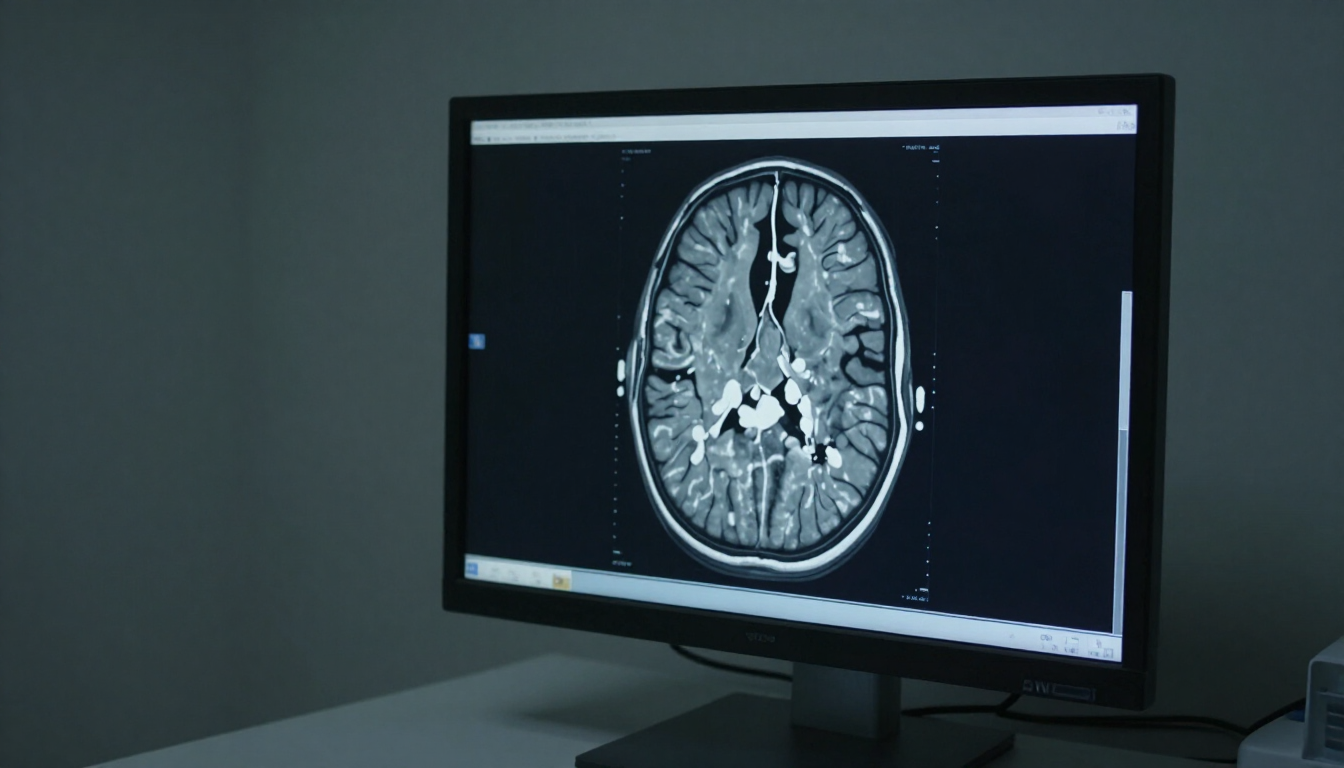
An analysis of nearly 500,000 medical records identified associations between certain viral infections and an increased risk of neurodegenerative diseases, including Alzheimer’s disease, Parkinson’s disease, amyotrophic lateral sclerosis (ALS), and dementia.

With growing research into the relationship between infections and neurological health—including studies linking Epstein-Barr virus (EBV) to an increased risk of multiple sclerosis and investigations into the potential neurological effects of COVID-19—scientists are exploring whether viral infections may contribute to the development of neurodegenerative diseases.

In a study published in the journal Neuron in 2023, researchers analyzed medical records from national biobanks to investigate the relationship between previous viral infections and subsequent diagnoses of neurodegenerative diseases.

The researchers identified 22 associations between viral infections and neurodegenerative conditions , suggesting that certain infections may be associated with an increased risk of developing these diseases.

Which Viral Infections Were Associated With Increased Risk?

Among the study’s findings:

  • Viral encephalitis: Individuals previously diagnosed with viral encephalitis had approximately 31 times the risk of developing Alzheimer’s disease compared with the study’s reference group.
  • Pneumonia following influenza: Individuals hospitalized with influenza-related pneumonia showed an increased risk of several neurodegenerative conditions, including Alzheimer’s disease, Parkinson’s disease, ALS, and dementia.
  • Other infections: Associations were also identified between certain neurodegenerative diseases and infections such as meningitis, shingles, and intestinal infections.

These findings suggest that the potential neurological consequences of some infections may extend beyond the initial illness.

Can the Effects Persist for Years After Infection?

One particularly notable finding was that some associations between viral infections and neurodegenerative diseases remained detectable for as long as 15 years after the initial infection.

This raises important questions about the possible long-term effects of infections on brain health and the biological mechanisms that may connect infectious illnesses with neurodegeneration.

However, an association does not establish that a viral infection directly causes a neurodegenerative disease . Other factors, including age, underlying health conditions, immune responses, and differences in healthcare utilization, may contribute to the observed relationships. Further research is needed to establish whether specific infections play a causal role and whether preventing or treating them can reduce long-term neurological risk.

What Does This Mean for Brain Health?

Research into the relationship between infections and neurodegenerative diseases is an evolving field. Understanding how infections, inflammation, immune function, genetics, and other factors interact may eventually help researchers identify additional risk factors and develop better strategies for prevention and early detection.

Although these findings do not establish that treating viral infections can prevent Alzheimer’s disease or other neurodegenerative conditions, they highlight the importance of continued research into the long-term relationship between infectious illnesses and neurological health.

At Valley Integrative Health, we believe that maintaining cognitive health begins with understanding individual risk factors and using appropriate, evidence-informed assessment strategies.

Scientific References

  1. Levine KS, Leonard HL, Blauwendraat C, et al. Virus exposure and neurodegenerative disease risk across national biobanks. Neuron. 2023;111(7):1086–1093.e2.
  2. A study of 500,000 medical records links viruses to Alzheimer’s again and again.

Recent Posts

By Devin Wilson, ND • October 28, 2026
Emerging research suggests even low levels of lead exposure may increase cardiovascular risk. Learn how lead affects the heart, common sources, testing, and nutritional support.

By Devin Wilson, ND • October 28, 2026
Can mold exposure contribute to persistent fatigue? Explore what clinical studies reveal about indoor dampness, mycotoxins, and ME/CFS.

By Devin Wilson, ND • October 28, 2026
An overview of hormones, aging, hormone therapy terminology, bioidentical hormones, testing, and what to do next.

By Devin Wilson, ND • October 28, 2026
Does hormone therapy cause cancer? A nuanced look at the WHI, estrogen versus progestogen, and how to weigh risks and benefits individually.

By Devin Wilson, ND • October 28, 2026
A look at what decades of research show about menopausal hormone therapy, brain, heart, bone and sexual health, and why formulation and timing matter.

By Devin Wilson, ND • October 28, 2026
Lifestyle changes and targeted supplements that may support hormone health, what the research shows, and where they fall short of hormone replacement.

By Devin Wilson, ND • October 28, 2026
Symptoms of low testosterone, associated health risks, what clinical trials show about replacement, and when treatment may be appropriate.

By Devin Wilson, ND • October 28, 2026
How estrogen and testosterone relate to brain, bone and cardiovascular health, and how to reassess the risks and benefits of hormone therapy.

By Devin Wilson, ND • October 27, 2026
Research suggests that exposure to certain heavy metals may disrupt hormone levels in women and potentially contribute to earlier natural menopause.

By Devin Wilson, ND • October 27, 2026
Learn what chelation therapy is, how it is administered, its safety, its established uses for heavy metal poisoning, and what research says about cardiovascular and other conditions.
Show More