



Ozone Therapy: A Deeper Review
Recap of Ozone Therapy
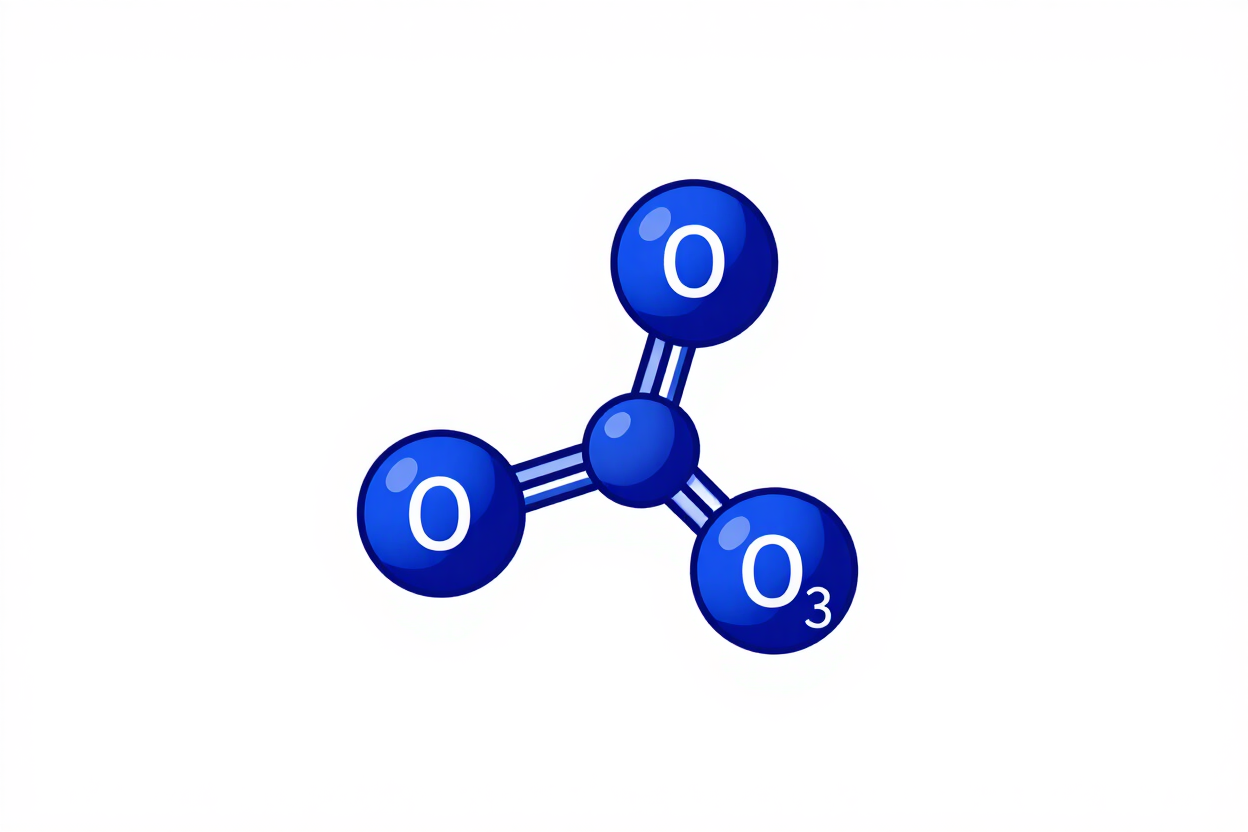
Ozone therapy uses carefully controlled concentrations of medical-grade ozone, a reactive form of oxygen, to produce biological effects. Depending on the clinical indication, ozone may be administered through major autohemotherapy, topical application, rectal insufflation, or localized injections. Prolozone therapy combines ozone injections with prolotherapy techniques for musculoskeletal conditions.
Ozone therapy has been investigated for its potential effects on cellular signaling, antioxidant defenses, inflammation, immune function, and tissue repair. Although research has reported promising findings for certain applications, the strength of evidence varies considerably by condition and administration method. [1–5]
Mechanisms of Action
Ozone reacts rapidly with biological fluids, generating secondary signaling molecules, including hydrogen peroxide (H₂O₂) and lipid oxidation products. These molecules may influence cellular pathways involved in antioxidant defense, inflammatory regulation, and adaptation to oxidative stress. [1, 2]
Several transcription factors have been investigated in ozone research:
- Nrf2 (nuclear factor erythroid 2-related factor 2): Regulates cellular antioxidant defenses, including pathways involving glutathione, superoxide dismutase, catalase, and heme oxygenase-1 (HO-1).
- NF-κB (nuclear factor kappa B): Regulates immune responses and inflammation. Its activity may change in response to ozone-related signaling, depending on the biological context.
- AP-1 (activator protein 1) and NFAT (nuclear factor of activated T cells): Participate in cellular stress responses, immune-cell activation, and inflammatory signaling.
- HIF-1 (hypoxia-inducible factor 1): Helps cells adapt to low-oxygen conditions by regulating pathways involved in energy metabolism and vascular signaling.
These pathways provide a proposed biological basis for some of the effects investigated in ozone therapy. However, much of the mechanistic evidence comes from laboratory and preclinical research, and its clinical significance remains uncertain. [1, 2]
Biological Responses and Potential Effects
Antioxidant Defense and Oxidative Stress
One of the principal theories behind ozone therapy is that controlled oxidative signaling may stimulate the body's endogenous antioxidant defenses. Research has investigated changes in Nrf2 signaling, glutathione-related pathways, and antioxidant enzymes such as superoxide dismutase, catalase, and glutathione peroxidase. [1, 2]
This proposed adaptive response is sometimes described ashormesis, in which the biological effects of a stimulus depend on its intensity and duration. Importantly, ozone is itself a strong oxidant, and excessive exposure can cause cellular injury. Its effects depend on dose, route of administration, and biological context. [1–3]
Red Blood Cell Metabolism and Oxygen Delivery
Experimental research has investigated whether ozone exposure influences red blood cell metabolism, including ATP and 2,3-diphosphoglycerate (2,3-DPG), a compound involved in oxygen release from hemoglobin.
Ozone-related changes in cellular metabolism and antioxidant responses have generated interest in potential effects on oxygen delivery. However, these findings do not establish that ozone therapy consistently improves tissue oxygenation or increases oxygen saturation in patients. [1, 3]
Circulation and Blood Rheology
Blood flow depends on factors such as blood viscosity, red blood cell deformability, and vascular function. Some ozone research has investigated changes in these properties following specific treatment protocols. [1, 3]
Although these findings have prompted interest in potential effects on microcirculation, evidence that ozone therapy reliably improves tissue perfusion or clinical outcomes remains limited. Ozone therapy should not replace established treatment for cardiovascular disease, stroke, or other serious circulatory conditions.
Inflammation and Tissue Repair
Ozone-related signaling has been investigated for its potential effects on inflammatory pathways, immune responses, and cellular processes involved in tissue remodeling. Growth factors such as platelet-derived growth factor (PDGF), transforming growth factor beta (TGF-β), and vascular endothelial growth factor (VEGF) participate in normal tissue repair. However, the extent to which ozone therapy consistently influences these pathways in human tissues remains incompletely established. [1, 2]
How Does Prolozone Therapy Work?
Prolozone therapy combines prolotherapy techniques with localized injections of an ozone-oxygen mixture. Prolotherapy involves injecting a solution into selected tissues with the intention of stimulating a local healing response. Prolozone protocols may target periarticular tissues or other musculoskeletal structures, depending on the clinical indication and practitioner technique.
Proposed benefits include effects on local tissue signaling, pain, and repair. However, the clinical evidence varies by condition, and results from one injection protocol cannot automatically be applied to another.
Research on oxygen-ozone injections for knee osteoarthritis has reported potential improvements in pain and function, although study quality and treatment protocols vary. A systematic review of randomized trials found that methodological limitations prevented firm conclusions about comparative effectiveness. [4]
A separate systematic review and meta-analysis comparing ozone and corticosteroid injections for musculoskeletal pain found greater short-term pain reduction with corticosteroids, while differences were not statistically significant in the medium term. These findings do not establish that ozone injections are equivalent or superior to established treatments across all conditions. [5]
Prolozone therapy has been used by some practitioners for conditions including osteoarthritis, chronic joint pain, back pain, and selected tendon or ligament complaints. Further high-quality research is needed to establish its effectiveness, durability, and safety for specific indications.
Summary
Ozone therapy is being investigated for its potential effects on:
- Cellular antioxidant signaling and oxidative stress responses.
- Inflammatory and immune-regulatory pathways.
- Red blood cell metabolism and oxygen delivery.
- Blood rheology and microcirculation.
- Biological processes involved in tissue repair.
These proposed mechanisms provide a rationale for continued research, but biological activity does not necessarily translate into clinical benefit. Evidence must be evaluated separately for each condition and method of administration.
Dr. Wilson's Experience with Ozone and Prolozone Therapy
Dr. Devin Wilson, ND, received certification in ozone and prolozone therapy from The American Academy of Ozone Therapy and was trained by Frank Shallenberger, MD, in 2012. Dr. Wilson has incorporated these approaches into his clinical practice since that time, emphasizing individualized care and consideration of potential benefits, limitations, and risks.
Medical disclaimer: This article is for educational purposes only and does not replace individualized medical advice. Evidence for ozone therapy varies by indication and administration method, and many proposed benefits require further clinical investigation. Ozone must never be inhaled, as it can cause serious lung injury. Direct intravenous injection of ozone gas is unsafe and should not be performed. Patients should discuss potential benefits, risks, and alternatives with a qualified healthcare professional.
References
1.Sagai M, Bocci V. Mechanisms of action involved in ozone therapy: Is healing induced via a mild oxidative stress?Medical Gas Research.2011;1:29.https://doi.org/10.1186/2045-9915-1-29
2.Galiè M, Covi V, Tabaracci G, Malatesta M. The role of Nrf2 in the antioxidant cellular response to medical ozone exposure.International Journal of Molecular Sciences.2019;20(16):4009.https://doi.org/10.3390/ijms20164009
3.Bocci V, Zanardi I, Travagli V. Ozone acting on human blood yields a hormetic dose-response relationship.Journal of Translational Medicine.2011;9:66.https://doi.org/10.1186/1479-5876-9-66
4.Sconza C, Respizzi S, Virelli L, et al. Oxygen-ozone therapy for the treatment of knee osteoarthritis: A systematic review of randomized controlled trials.Arthroscopy.2020;36(1):277–286.https://doi.org/10.1016/j.arthro.2019.05.043
5.Arias-Vázquez PI, Guzzardo MN, Guzzardo DR, et al. Efficacy of ozone injections for reducing musculoskeletal pain in comparison with corticosteroid injections: A systematic review and meta-analysis.Journal of Back and Musculoskeletal Rehabilitation.2024;37(4):821–838.https://doi.org/10.3233/BMR-230173