




Mold Exposure and Illness

Devin Wilson, ND • October 18, 2026

Share this article

Mold Exposure and Illness


Mold illness symptoms can develop after exposure to damp or water-damaged environments, but they are often nonspecific and overlap with allergies, asthma, infections, and other conditions. A careful evaluation combines symptom history, exposure assessment, physical examination, appropriate laboratory testing, and a treatment plan tailored to the individual.

Clinician reviewing mold illness symptoms and testing with a patient

What are common mold illness symptoms?

Mold exposure may affect people differently. Some develop primarily respiratory symptoms, while others notice fatigue, headaches, skin changes, or difficulty concentrating. Symptoms may begin during exposure or become more noticeable over time.

Commonly reported concerns include:

  • Nasal congestion, sneezing, sinus pressure, cough, wheezing, or throat irritation
  • Fatigue, headaches, dizziness, or reduced exercise tolerance
  • Brain fog, trouble concentrating, sleep disruption, or mood changes
  • Eye irritation, itchy skin, rashes, or increased sensitivity
  • Digestive complaints such as nausea, bloating, abdominal discomfort, or altered bowel habits

These symptoms do not prove that mold is the cause. They are signals that deserve a broader clinical evaluation, particularly when symptoms persist, repeatedly worsen in a particular building, or improve after time away.

How can mold exposure affect health?

Damp buildings can contain mold, dust mites, bacteria, volatile compounds, and other irritants. Health effects may result from allergic responses, asthma triggers, irritation, infection in susceptible individuals, or other mechanisms. The relevant exposure can also vary by location, ventilation, building materials, and duration.

A useful exposure history asks:

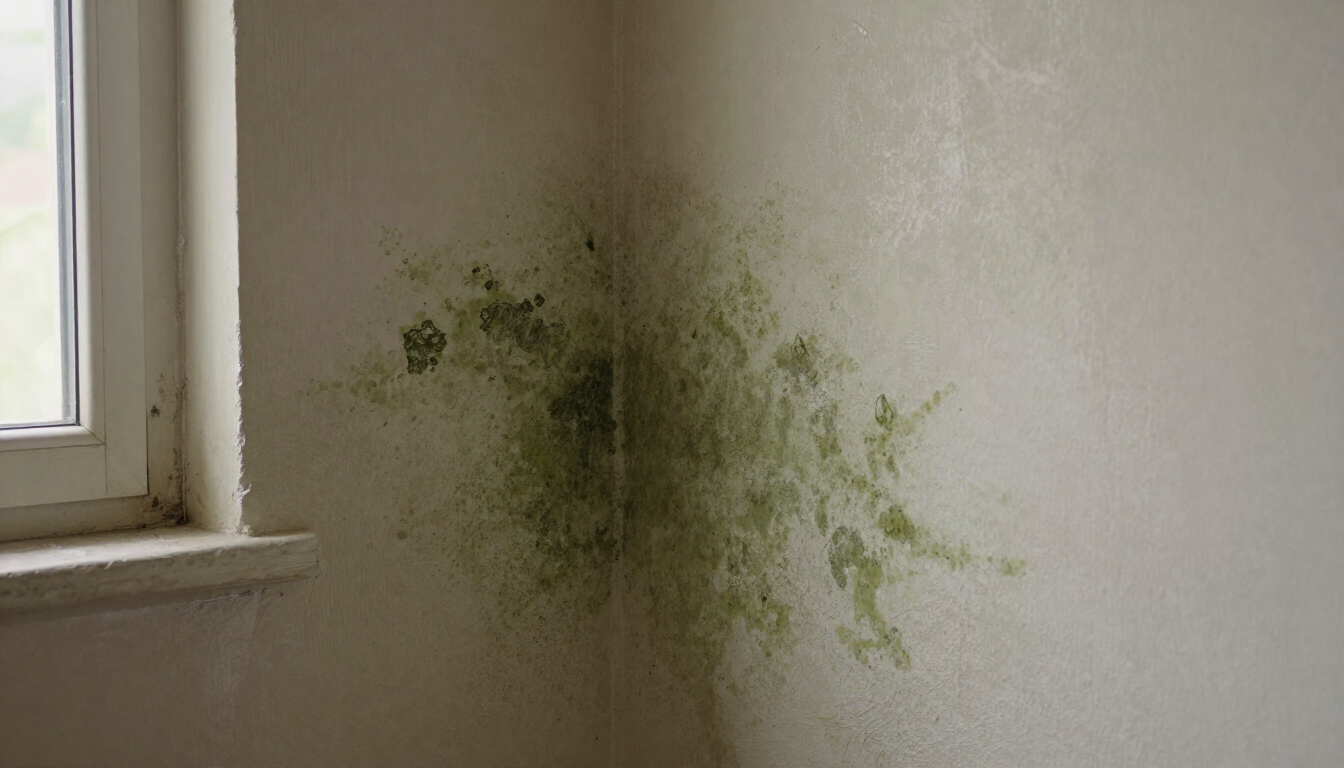
  • Was there visible mold, a musty odor, flooding, or a history of water damage?
  • When did symptoms begin, and do they change at home, work, school, or while traveling?
  • Have other occupants developed similar complaints?
  • Has the building been professionally inspected or remediated?
  • Are there personal risk factors such as asthma, allergies, immune suppression, or chronic illness?

Environmental information is most helpful when paired with a medical assessment. It should not replace evaluation for other possible causes.

Which mold illness symptoms require medical attention?

Seek prompt medical care for severe breathing difficulty, chest pain, confusion, fainting, high fever, rapidly worsening symptoms, or signs of a serious allergic reaction. People with asthma, chronic lung disease, immune suppression, or significant allergies may need earlier evaluation after exposure.

For persistent or recurring symptoms, schedule a comprehensive visit. A clinician may review medications, sleep, nutrition, infection history, allergies, occupational exposures, and other conditions that can resemble mold-related illness. Visit the Conditions page to learn more about how complex health concerns may be evaluated.

How is mold illness evaluated?

There is no single universally accepted test that confirms every type of mold-related illness. Evaluation is therefore based on clinical reasoning rather than one isolated result.

A thorough process commonly includes:

  1. Detailed history: Document symptoms, timing, locations, prior diagnoses, medications, and relevant exposures.
  2. Physical examination: Assess the respiratory system, skin, neurologic findings, vital signs, and other clinically relevant areas.
  3. Standard testing: Evaluate common explanations such as allergies, asthma, anemia, thyroid disorders, nutritional deficiencies, inflammation, or infection.
  4. Advanced testing: Assess for the presence of mycotoxins via urine testing, blood test to assess immune response to exposure of mold, nasal swab testing for fungal overgrowth and MARCoNS, etc.
  5. Exposure review: Consider building conditions and whether professional inspection or remediation is appropriate.
  6. Follow-up: Track symptoms and objective findings over time rather than relying on a single snapshot.

The purpose is to identify treatable problems, reduce ongoing exposure, and avoid unnecessary testing or supplements. Our Routine & Advanced Lab Testing page provides more information about how testing may fit into a personalized care plan.

What tests may be used for mold exposure?

Common options may include allergy evaluation, pulmonary function testing, targeted blood work, imaging, or other assessments when medically appropriate. Although, the Shoemaker lab testing protocol is well-known we don't typically use it as we've found other methods to be more clinically useful. In most cases, we use advanced testing such as mycotoxin urine testing and/or mold related immune markers.

Testing limitations matter. A positive result may indicate exposure or immune sensitization without proving that mold explains every symptom. A negative result may not exclude an environmental problem. Home, air, dust, and urine tests also vary in quality and may not directly measure the patient’s health effects.

Medical laboratory samples and environmental exposure notes arranged for a careful clinical review

What should you do about a moldy or damp building?

Reducing ongoing exposure is an important practical step. If a building has visible growth, persistent moisture, leaks, or a musty odor, identify and correct the moisture source. Large areas, hidden growth, contaminated HVAC systems, or extensive water damage may require qualified remediation professionals.

Helpful actions include:

  • Fix leaks and dry wet materials promptly when safe to do so.
  • Improve ventilation and manage indoor humidity.
  • Avoid disturbing extensive mold without appropriate protection and expertise.
  • Ask for documentation of the moisture source and remediation work.
  • Discuss temporary relocation with a clinician if symptoms clearly worsen in the building.

Do not rely on painting over mold or using fragrance to hide odors. Remediation should address moisture and contaminated materials, not simply appearance.

Comprehensive treatment options

Treatment should match the person’s findings, symptoms, risks, and goals. It may involve several coordinated parts:

  • Reducing or eliminating ongoing environmental exposure
  • Managing allergies, asthma, sinus disease, skin symptoms, or infection when diagnosed
  • Using anti-fungal supplements or medications to eliminate mold colonization
  • Using binders to mop up mold toxins
  • IV Therapy including Ozone Therapy and Glutathione
  • Supporting sleep, nutrition, movement, and stress regulation
  • Correcting documented nutrient deficiencies or other medical contributors
  • Monitoring progress with meaningful clinical measures and scheduled follow-up

A responsible treatment plan uses clear expectations. It should explain what is being treated, how improvement will be measured, potential side effects, and when the plan will be changed. Be cautious of guaranteed cures, secret protocols, or pressure to purchase large quantities of supplements.

How long does recovery take?

Recovery varies. Some people improve after exposure is removed and a specific condition is treated. Others need longer follow-up because symptoms have multiple contributors or because remediation is incomplete. Progress may be gradual rather than linear.

Track a number of useful measures, such as sleep quality, headache frequency, breathing symptoms, energy, concentration, and ability to perform daily activities. A symptom journal can reveal patterns without making every daily fluctuation seem medically significant.


Monitor levels of mycotoxins as well as immune reactivity is also a vital part to understanding your path to recovery.

Cost and access also matter. Ask for an estimate before advanced testing or treatment. Our Cost Savings Program explains how direct relationships and transparent planning may help reduce certain healthcare expenses.

Key takeaways

Mold illness symptoms can be real and disruptive, but they are not specific enough to diagnose the cause by themselves. The most useful approach combines a careful symptom and exposure history, examination, appropriately selected testing, and attention to other medical explanations. Address moisture problems and seek professional remediation when needed. Choose treatment that is individualized, transparent, and monitored over time. If symptoms persist, worsen, or affect breathing or daily function, schedule a clinical evaluation rather than relying on home tests or unsupported protocols.

Recent Posts

By Devin Wilson, ND • October 28, 2026
Emerging research suggests even low levels of lead exposure may increase cardiovascular risk. Learn how lead affects the heart, common sources, testing, and nutritional support.
By Devin Wilson, ND • October 28, 2026
Can mold exposure contribute to persistent fatigue? Explore what clinical studies reveal about indoor dampness, mycotoxins, and ME/CFS.

By Devin Wilson, ND • October 28, 2026
An overview of hormones, aging, hormone therapy terminology, bioidentical hormones, testing, and what to do next.

By Devin Wilson, ND • October 28, 2026
Does hormone therapy cause cancer? A nuanced look at the WHI, estrogen versus progestogen, and how to weigh risks and benefits individually.

By Devin Wilson, ND • October 28, 2026
A look at what decades of research show about menopausal hormone therapy, brain, heart, bone and sexual health, and why formulation and timing matter.

By Devin Wilson, ND • October 28, 2026
Lifestyle changes and targeted supplements that may support hormone health, what the research shows, and where they fall short of hormone replacement.

By Devin Wilson, ND • October 28, 2026
Symptoms of low testosterone, associated health risks, what clinical trials show about replacement, and when treatment may be appropriate.

By Devin Wilson, ND • October 28, 2026
How estrogen and testosterone relate to brain, bone and cardiovascular health, and how to reassess the risks and benefits of hormone therapy.

By Devin Wilson, ND • October 27, 2026
Research suggests that exposure to certain heavy metals may disrupt hormone levels in women and potentially contribute to earlier natural menopause.

By Devin Wilson, ND • October 27, 2026
Learn what chelation therapy is, how it is administered, its safety, its established uses for heavy metal poisoning, and what research says about cardiovascular and other conditions.
Show More